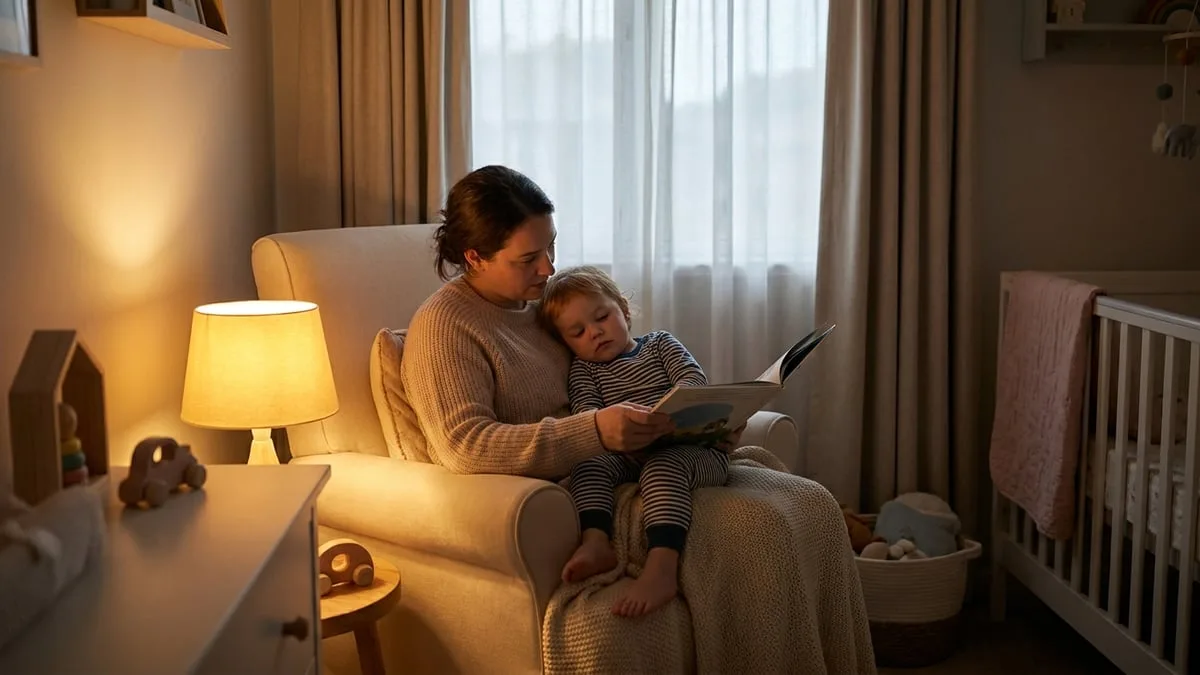
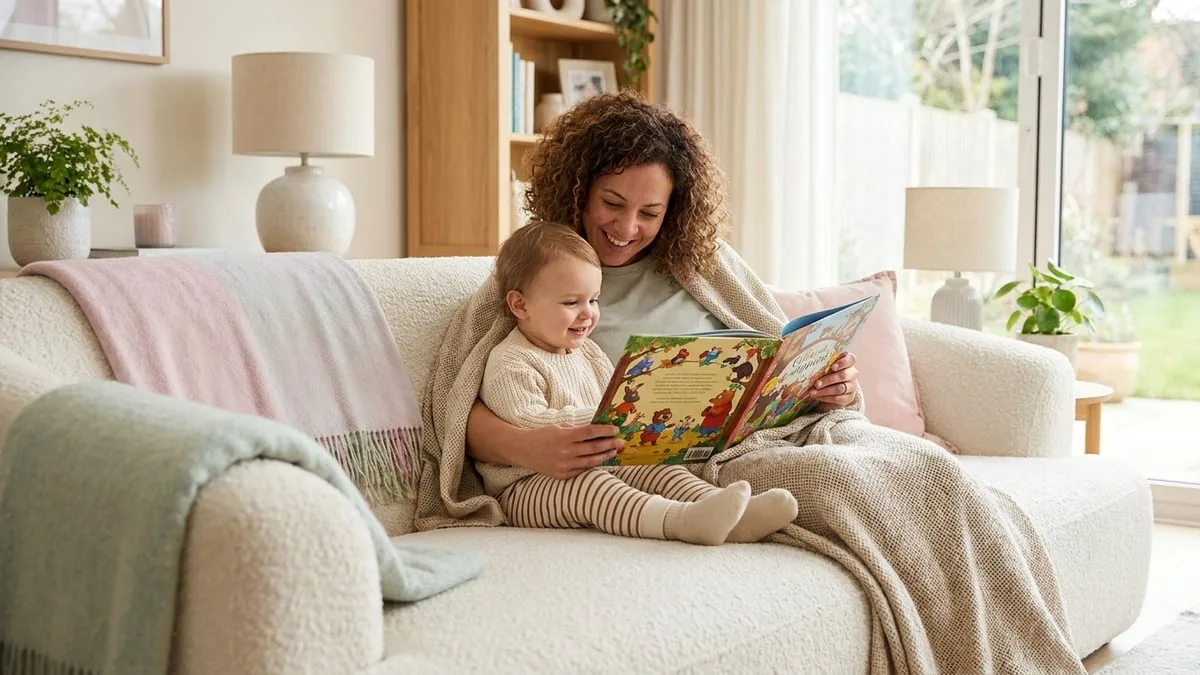
Reading to a child looks like a small thing. Ten minutes, a picture book, a wriggly toddler who keeps trying to turn the page too soon. But few everyday habits do as much quiet good. Long before a child can read a word themselves, being read to shapes how they think, speak and connect.
Here is what reading aloud actually does for your child, and a few honest tips for making it a habit that sticks even on the busy days.
It builds language and vocabulary
Books use richer, more varied language than everyday conversation. When you read aloud, your child hears words and sentence patterns they would rarely meet otherwise, and they absorb them long before they can use them. This early exposure is strongly linked to stronger language skills later, which is why organisations like the American Academy of Pediatrics recommend reading together from birth.
It grows focus and imagination
Following a story, even a simple one, asks a child to hold attention, predict what happens next, and picture things that are not in front of them. That is real mental work dressed up as fun. Over time it builds the focus and imagination they will lean on in school and beyond.
It strengthens your bond
Reading together is calm, close and undivided. In a day full of rushing, it is often the one stretch where you are simply sitting together with nothing else demanding your attention. Children remember that closeness, and it becomes part of how they feel about books for the rest of their lives.
It sets up a love of reading
Children who are read to tend to become children who want to read. The habit, the comfort, the association of books with warmth and attention, all of it makes them more likely to pick up a book on their own later. Encouraging that early matters, as Reading Rockets explains in detail.
How to make reading together stick
- Keep it short and regular. Five good minutes beats a forced half hour.
- Let them choose, even if it means the same book forty times.
- Use silly voices. Your enthusiasm is half the magic.
- Make it part of the routine, like bedtime, so it happens without a decision.
- Pick books they connect with. A story your child is genuinely drawn to gets read more.
One way to make a child lean in is to make the story about them. A personalised book where your child is the hero turns reading time into something they ask for, again and again. You can browse our story books to see how it works.
Frequently asked questions
When should I start reading to my child?
From birth. Newborns benefit from hearing your voice and the rhythm of language long before they understand the words, and it builds the habit early.
How long should I read to my child each day?
There is no magic number. Even ten consistent minutes a day makes a difference. The regularity matters more than the length.